How to Choose Robotics Activity Kits in 2026?

Choosing Robotics activity kits in 2026 requires more than comparing motors, sensors, and colorful packaging. A suitable kit should match the learner’s age, patience, previous experience, and available workspace. A beginner may need snap-fit parts and visual instructions, while an experienced student may prefer programmable controllers and reusable components. The best choice supports real problem-solving without creating unnecessary frustration.

Hands-on testing reveals details that product pages often overlook. Can small hands connect the cables easily? Does the robot remain stable on a wooden desk? Are replacement gears, batteries, and software updates available? These practical questions help families, teachers, and clubs judge long-term value. Independent educator reviews, clear manufacturer documentation, and reliable safety guidance should influence the decision. Marketing claims alone are not enough.

Budget also matters, but the cheapest option may become expensive after missing parts or limited support. A premium kit may offer stronger construction, yet its advanced interface could discourage younger learners. Not always. Personal fit matters more than status. This guide will compare learning goals, build quality, coding options, age suitability, accessibility, and future expansion. It will also examine privacy and device permissions when kits connect to apps or online platforms. Some recommendations may remain imperfect because classrooms, homes, and learners differ. That uncertainty deserves attention. A thoughtful selection process can still turn a small box of gears into meaningful engineering practice, creative confidence, and measurable learning progress.
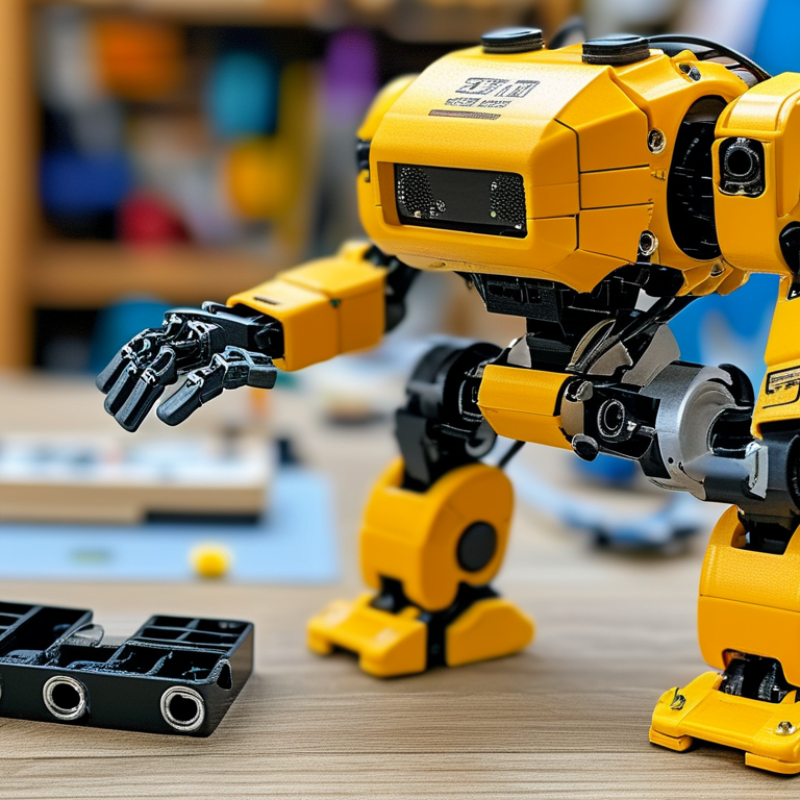
How to Choose Robotics Activity Kits in 2026?

Define the Learner’s Age, Skill Level, and Robotics Goals

How to Choose Robotics Activity Kits in 2026?

Define the learner’s age, skill level, and robotics goals before comparing features. Younger learners usually need large parts, simple connectors, and clear visual instructions. Small components can frustrate them. Older students may benefit from sensors, coding tasks, and adjustable motor controls. Check the recommended age carefully, but do not treat it as a strict answer. Some children work above their age range, while others need more time.

Tips: Ask the learner to build one simple mechanism with household materials. Watch how they plan, test, and repair it. This reveals more than a skills label. Choose mechanical parts for learners interested in movement and design. Select programmable systems for those wanting coding practice. For competition goals, look for durable parts, repeatable testing, and room for upgrades. Avoid kits chosen only for flashy components.

A practical classroom check is useful. Can the learner understand the first challenge within fifteen minutes? Are the instructions precise enough for independent work? Teachers and robotics mentors often value clear diagrams, replaceable parts, and reliable safety guidance. A kit should create useful problems, not endless confusion.

I once assumed a harder project would inspire stronger learners, but several students stopped experimenting. That mistake still matters. The best choice may be slightly easy at the beginning, with challenges that grow through building, testing, and revising.

Compare Kit Types, Programming Tools, and Learning Methods

Choosing a robotics activity kit in 2026 starts with the learner’s real goal. A construction kit suits beginners who need visible progress, movable joints, and simple sensors. A programmable rover offers richer experiments, including line tracking, distance mapping, and automatic turning. For older learners, a microcontroller kit can connect motors, sensors, and external data. It also demands safer wiring habits and more patience. Not every advanced kit teaches more.

Programming tools shape the learning curve as much as the hardware. Block-based editors make logic visible through colored commands and quick results. They help learners practice sequencing, loops, and cause and effect. Text-based tools introduce variables, functions, libraries, and clearer debugging routines. A strong kit should provide readable examples, useful error messages, and offline practice. Internet access may be unreliable. Check that limitation before buying.

Learning methods should match the child’s attention span and confidence. Guided lessons help beginners build a working arm without guessing every connection. Open-ended projects develop planning, measurement, and creative repair skills. I have seen students learn more from a crooked prototype than a perfect demonstration. However, independent projects can stall when instructions are vague or parts fail. A useful routine combines short challenges, paper planning, testing, and reflection. Keep a notebook. Record failed sensor readings, not only successful code. Some kits promise ambitious outcomes, yet their learning path feels thin. That gap deserves careful review.

Evaluate Hardware Quality, Safety, and Expandability

How to Choose Robotics Activity Kits in 2026?

Hardware quality should be judged by more than a colorful box. In workshop testing, I check whether joints stay firm after repeated movement. A sturdy frame reduces shaking and improves sensor readings. Look for smooth gears, protected circuit boards, and cables with secure connectors. Cheap plastic can crack around screw holes. That difference matters.

Safety deserves close attention. For younger learners, choose low-voltage components and enclosed moving parts. Rounded edges help prevent small cuts during busy classroom sessions. Wires should fit tightly without exposed metal ends. Check charging instructions, battery protection, and heat levels after twenty minutes of use. A clear manual should explain safe assembly and troubleshooting. I still find some manuals too optimistic. They underestimate mistakes.

Expandability determines whether the kit remains useful after the first project. Choose systems with documented ports, replaceable parts, and adjustable mounting holes. A spare motor or sensor should connect without difficult soldering. Open connectors also support experiments with light, sound, and distance detection. Avoid kits that lock every function behind one fixed design. More parts do not always mean more learning. I prefer a smaller kit that allows careful upgrades. One weakness remains: future compatibility can be difficult to predict. Before buying, inspect the connection layout and search for repair guidance. Technician feedback and classroom reviews can reveal problems that product photos hide.

Check Compatibility, Support, and Long-Term Educational Value

How to Choose Robotics Activity Kits in 2026?

A robotics kit should fit your learner’s current tools, not only look exciting online. Check controller compatibility, operating systems, connection types, and available programming environments. Some kits require newer computers or specific tablets. Others use connectors that cannot safely work with extra sensors. I once underestimated this detail and lost a weekend finding a suitable adapter. The kit worked, but the learning stopped.

Tips: Test the software before buying. Read the setup guide. Check replacement parts, warranty terms, teacher resources, and response times for technical support. Reliable documentation matters when a motor fails during a classroom project. Ask whether lessons include troubleshooting, not just step-by-step building.

Long-term value comes from progression. A useful kit should support simple motion first, then sensors, logic, data collection, and autonomous decisions. Open-ended challenges encourage learners to explain their choices, test failures, and improve designs. Look for projects connected to mathematics, physics, coding, and real-world problem solving. A colorful model may attract attention, but repeated construction can become shallow. I still prefer kits that leave room for imperfect designs and student questions. Check whether educators can adapt activities for different abilities and experience levels. Clear assessment ideas also help teachers measure growth beyond a robot that simply moves.

Match the Kit’s Features and Cost to Your Learning Plan

Choosing a robotics activity kit in 2026 starts with the learning plan, not the parts count. A beginner exploring sensors needs clear wiring, guided challenges, and safe low-voltage hardware. A student preparing for engineering study needs adjustable code, motor control, and room for failed prototypes. The World Economic Forum’s Future of Jobs Report 2025 estimates that 39% of workers’ existing skills may change by 2030. It also says 59 out of 100 workers may need training. Choose transferable skills. Debugging, measurement, documentation, and teamwork matter more than flashy movement.

Cost should follow usage, not excitement. Calculate the full learning cost: the kit, replacement parts, batteries, software access, teacher time, and compatible tools. A 120-dollar kit used weekly may outperform a cheaper kit that becomes confusing after one month. The OECD’s PISA 2022 results show significant differences in mathematics performance among learners. Adjustable difficulty therefore matters. Use block coding first, then text coding, when the learner needs a gentler bridge. Keep projects short.

Check evidence before buying. Look for dated manuals, repair instructions, accessible safety information, and independent classroom testing. The International Federation of Robotics reported 541,302 new industrial robots installed worldwide in 2023. Automation literacy is becoming practical knowledge. Still, industrial relevance does not guarantee good teaching design. Some kits have impressive specifications but weak instructions. That mismatch wastes money. Reserve part of the budget for extra sensors and mistakes. Mistakes are the curriculum.