Why is K12 Robotics Education Essential for Future Skills?
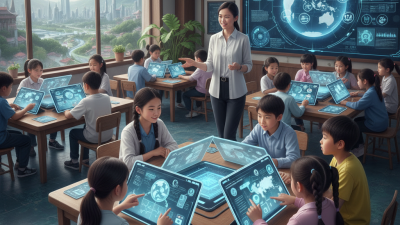
K-12 robotics education is becoming increasingly vital for developing essential skills in today's youth. According to Dr. Jennifer Williams, a leading expert in educational robotics, "Integrating robotics in K-12 education cultivates critical thinking and problem-solving abilities in students." As technology evolves, hands-on experience with robotics helps students grasp complex concepts in engineering and computer science.
Incorporating robotics into the K-12 curriculum offers numerous benefits. Students engage with programming, design, and teamwork, fostering creativity and innovation. However, one challenge remains: access to resources and trained educators. Many schools struggle with funding these programs, leaving students without these crucial skills. The disparity in available technology can hinder progress.
Moreover, K-12 robotics education is not just about machines. It emphasizes collaboration and adaptability. Students must learn to communicate effectively while working on projects. This combination of technical knowledge and soft skills prepares them for the future workforce. Despite the hurdles, investing in K-12 robotics education can redefine our approach to learning and future job markets.
Importance of K12 Robotics Education in Today's Digital Landscape
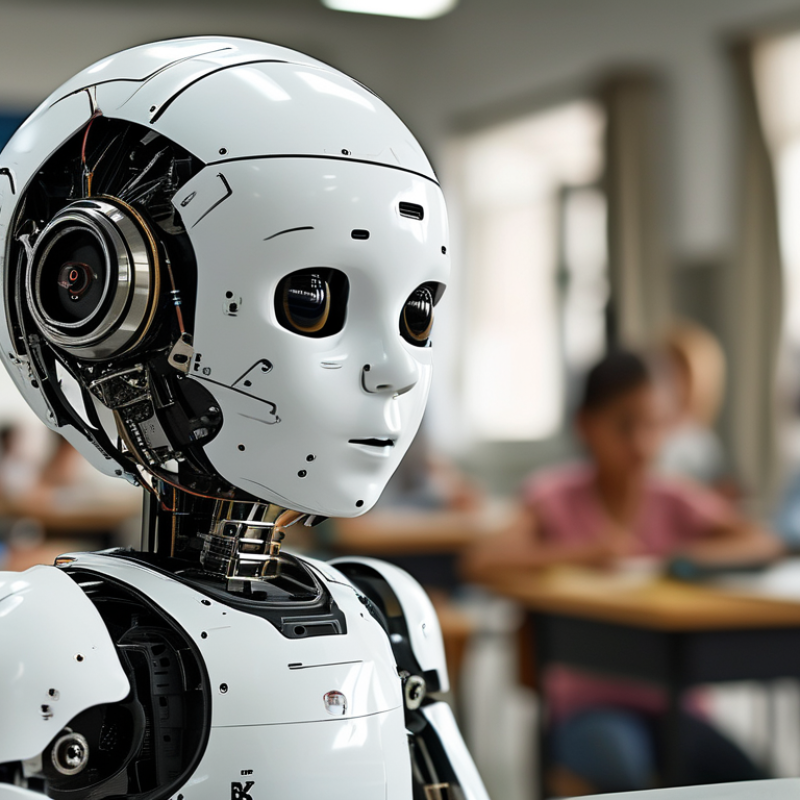
In today's digital landscape, K12 robotics education plays a vital role in preparing students for future careers. The integration of robotics in the curriculum stimulates interest in science, technology, engineering, and mathematics (STEM). Engaging in hands-on activities equips students with problem-solving skills and fosters creativity. They learn to design and build robots, which bridges theoretical concepts with real-world applications.
However, not all students thrive in the same way. Some may find robotics intimidating, while others may struggle with collaboration in team projects. It’s essential for educators to recognize these challenges. Continuous support and a nurturing environment can help students overcome obstacles. Moreover, varied teaching methods should cater to different learning styles, ensuring that every student has a chance to shine in robotics.
With technological advancements accelerating, students must adapt quickly. Robotics education offers a unique platform for them to develop essential skills, such as coding and critical thinking. It's more than just learning to build robots; it’s about cultivating a mindset that values experimentation and resilience. Emphasizing these attributes prepares students for the uncertainties of the future.
Key Skills Developed Through K12 Robotics Programs
K-12 robotics education plays a crucial role in developing essential skills for the future workforce. According to a report by the International Society for Technology in Education, 87% of jobs require skills in STEM (science, technology, engineering, and mathematics). Robotics programs engage students in hands-on learning, fostering problem-solving abilities. Students collaborate to build and program robots, enhancing communication skills and teamwork.
Robotics also promotes creativity and innovation. A study by the Education Development Center found that 65% of students reported increased interest in pursuing STEM careers after participating in robotics programs. These experiences help learners think critically and approach challenges with a mindset focused on solutions. However, access to quality robotics education can still be uneven, highlighting an area for improvement in educational equity.
Additionally, robotics education cultivates adaptability. As technology evolves, so do the skills needed to thrive. According to a report from the World Economic Forum, adaptability will be key in the workforce of 2030. Students who engage in robotics are more likely to embrace lifelong learning. However, it is essential to ensure that educators receive proper training to maximize the benefits of robotics in the classroom. This ongoing professional development is crucial for preparing students for the challenges ahead.
Importance of K12 Robotics Education
Impact of Robotics on Critical Thinking and Problem-Solving Abilities
Robotics education in K12 is redefining how students approach critical thinking.
Engaging with robots creates a hands-on experience. Students not only learn to build
but also to troubleshoot. This process nurtures resilience. Students face challenges
when their robots don’t work as planned. They must think critically to find solutions.
Problem-solving abilities are enhanced through collaboration and experimentation.
Working in teams allows students to share ideas. They learn to communicate
effectively about complex concepts. Sometimes, a student may suggest an approach
that seems unfeasible. This leads to discussions that deepen understanding.
It teaches them that not every idea is perfect, but every idea can lead to growth.
As students navigate robotics challenges, they learn to embrace failure.
Each setback is an opportunity for learning. This mindset is vital for future careers.
The landscape of work is changing fast. Critical thinking and problem-solving will
be essential. Robotics education is a key step in preparing students for this reality.
Preparing Students for Future Careers in Technology and Engineering
K12 robotics education plays a crucial role in preparing students for careers in technology and engineering. As the job market rapidly evolves, foundational skills are becoming essential. Students learn to build and program robots, offering hands-on experience in problem-solving and critical thinking. These activities stimulate creativity and innovation. Real-world applications, however, aren't always straightforward. Students may encounter failures along the way. Learning from mistakes is just as vital as achieving success.
Working with robotics requires collaboration. Students often form teams to tackle complex projects. This teamwork helps develop communication skills and a sense of responsibility. Challenges arise when ideas clash or projects don't function as planned. Navigating these conflicts teaches resilience. Preparing for future careers demands adaptability and the ability to learn from setbacks. Students gain insights into both technology and their own learning styles.
Additionally, robotics fosters interest in STEM fields. Exposure to technology at a young age can inspire lifelong pursuits. However, not every student may find immediate success; some may struggle to grasp technical concepts. This diversity in experience is crucial. It highlights that education isn’t linear. Each student’s journey through robotics education offers a unique perspective, enhancing the overall learning environment.
Integrating Robotics into the K12 Curriculum for Enhanced Learning Experiences
Integrating robotics into the K12 curriculum is more crucial than ever. With technology evolving rapidly, students must engage with it early. Robotics education fosters critical thinking and problem-solving skills, preparing children for future challenges. Kids learn to design, build, and program robots, which enhances their creativity and technical abilities.
Hands-on activities in robotics ignite curiosity and collaboration among students. Working in teams, they share ideas and tackle problems together. This cooperation strengthens their social skills and builds resilience. However, not all educators are equipped with the knowledge to teach robotics effectively. This gap needs addressing to ensure a consistent learning experience.
Classroom integration requires careful planning. Teachers must adapt their methods to incorporate robotics seamlessly. Some may resist this change, feeling overwhelmed by new technology. Continuous professional development is essential to equip educators with confidence in teaching these skills. Schools must invest in training to foster a robust robotics culture. The challenge lies in balancing traditional subjects with this innovative approach while ensuring a comprehensive educational experience.
Why is K12 Robotics Education Essential for Future Skills? - Integrating Robotics into the K12 Curriculum for Enhanced Learning Experiences
| Skill Area |
Description |
Impact on Future Workforce |
Implementation Strategies |
| Critical Thinking |
Ability to analyze and evaluate information. |
Essential for problem-solving in high-tech jobs. |
Incorporate project-based learning in robotics. |
| Collaboration |
Working effectively in teams towards common goals. |
Increases productivity and innovation in diverse settings. |
Create team-based robotics challenges and competitions. |
| Technical Skills |
Understanding and using technology effectively. |
Prepares students for careers in STEM fields. |
Integrate coding and robotics software into the curriculum. |
| Creativity |
Ability to generate new ideas and solutions. |
Fosters innovative thinking essential in modern workplaces. |
Encourage open-ended design projects with robotics kits. |
| Adaptability |
Ability to adjust to new conditions and challenges. |
Supports lifelong learning and resilience in fast-paced environments. |
Simulate real-world scenarios that require quick thinking and adjustment. |